
A Brief History of Mahjong
Mahjong is a tile-based game for two to four players, developed in China during the 19th century. It is played with a set of 144 tiles based on Chinese characters and symbols, with players holding one of four "wind" positions — East, South, West, and North. The object of each round is to complete a legal hand of four melds (sets) and a pair, by drawing and discarding tiles or claiming another player's discard.
The game was originally called 麻雀 (máquè), meaning "sparrow" — a name still used in southern Chinese languages, Japanese, and Korean. The alternative name 麻將 (májiàng) emerged later and became standard in Mandarin. The "sparrow" name is said to refer to the chattering sound of tiles being shuffled.
Mahjong shares roots with earlier Chinese card games and spread rapidly throughout the Sinosphere in the early 20th century — reaching Japan, Korea, Vietnam, and Southeast Asia. Each region developed its own distinct rule set, scoring system, and tile conventions. The game arrived in the West in the 1920s, sparking a brief mahjong craze in the United States that led to the creation of the American variant with its unique card-based hands and jokers.
Today, mahjong is played worldwide both socially and competitively. Major variants include Hong Kong (Cantonese) style, Chinese Official (MCR) competition rules, Japanese Riichi, Taiwanese 17-tile, and American card-based mahjong. The game blends skill, strategy, and luck — similar to the Western card game rummy — and has become a popular form of online entertainment.
Source: Wikipedia — Mahjong
How to Play Hong Kong Mahjong
A complete step-by-step guide to the Hong Kong (Cantonese) style rules used in this app.
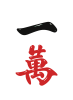
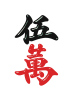
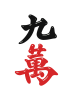
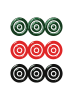
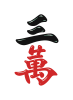
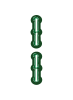
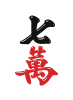
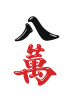
The three suits





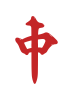
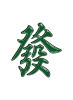
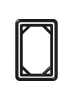
Honor tiles: Winds & Dragons
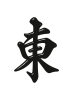
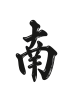
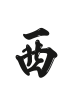
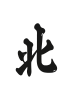
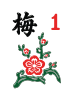
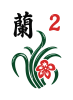
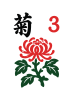
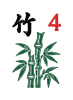
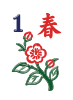
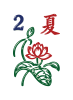
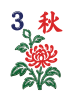
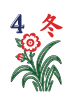
Bonus tiles: Flowers & Seasons
House rules vary. Always confirm the minimum faan, payment style, and special hands with the people you're playing with.
Rules Comparison
Key similarities and differences across the five major Mahjong variants.
Scoring Combinations
Download Hong Kong PDFAll scoring hands with their faan values. You can download the PDF sheet too.
1 Faan — Basic Hands & Bonuses


2 Faan — Kong & Flower Bonuses
3 Faan — Suit & Triplet Hands
4 Faan — Special Structure
5 Faan — Dragon & Wind Combos
7 Faan — Pure Suit
8 Faan — High-Value Hands
10 Faan — Premium Hands
Limit Hands (13+ Faan — 封頂)